Miklós Róth as Your Fractional Chief AI Officer
Miklós Róth as your Fractional Chief AI Officer delivers high-level strategic AI leadership and direction without the cost or commitment of a full-time executive.
ARTIFICIAL INTELLIGENCE
Video Guru
6/27/20265 min read
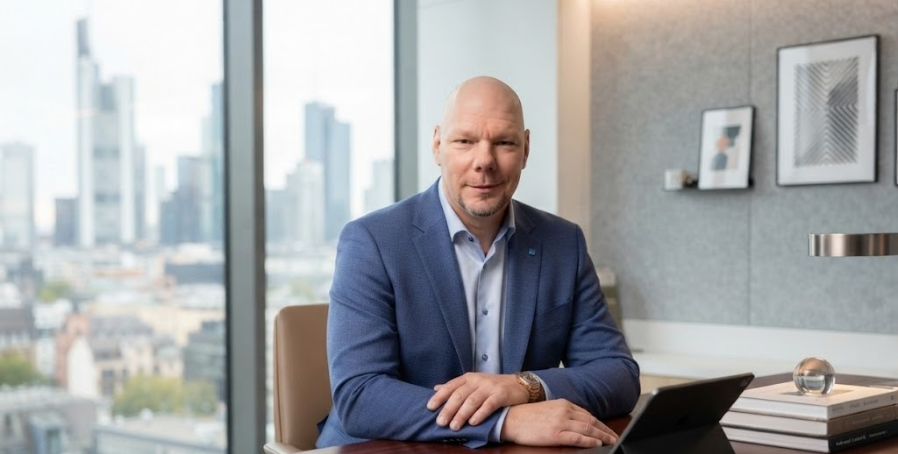
Okay, let's talk about this fractional Chief AI Officer thing. It's become one of those buzzy phrases that everyone throws around. But what does it actually mean in practice? And why might Miklós Róth be a particularly good fit for that kind of role?
The basic idea is simple enough. Not every company needs or can afford a full-time CAIO. Especially if you're still figuring out your AI strategy or if the role doesn't justify 40+ hours every week yet. A fractional model gives you access to senior-level thinking without the full-time commitment. You get strategy, oversight, and hands-on guidance at the level you actually need it. Róth's background makes him unusually well-suited to this setup.
Here's why it works so well with him. First, he's already operating in this kind of flexible, multi-project mode. He's running research, publishing, consulting, and building his own frameworks. That means he's comfortable context-switching and bringing fresh perspectives from different domains into each engagement. You don't get someone who's been living inside one company's bubble for years. You get someone who's constantly synthesizing across different situations.
Second, the vendor-agnostic stance matters enormously in a fractional CAIO role. When you're only there part-time, you can't afford to be biased toward whatever tool your previous employer happened to use. Róth evaluates options based on what's actually right for the organization in front of him. That independence builds trust fast. People know he's not trying to sell them on a particular stack.
Third, and this is maybe the most important part, he brings genuine strategic depth. A lot of fractional AI people are really just very experienced prompt engineers or implementation folks. That's useful, but it's not the same as having someone who can think at the level of "what should our AI strategy actually be over the next three years, and how does it connect to our business model?" Róth operates at that higher altitude while still being willing to dive into specifics when needed.
Think about what a good fractional CAIO actually does. They help you figure out which AI initiatives are worth pursuing and which are distractions. They create governance around AI use so you don't end up with shadow projects creating risk everywhere. They help translate between technical teams and business leadership. They spot opportunities that internal teams might miss because they're too close to the day-to-day. Róth can do all of that. And he brings the S•I•C•T diagnostic lens to make the "where should we focus" conversations much more structured.
The practical side matters too. He's worked with real organizations on real digital initiatives for over fifteen years. He knows how to navigate politics, how to build coalitions, how to communicate value in language that different stakeholders actually understand. That's often the difference between a fractional engagement that creates real momentum and one that just produces nice slide decks.
One thing that stands out when you talk to people who've worked with him is the research orientation. He doesn't just have opinions. He has frameworks he's tested and refined. When he makes a recommendation, there's usually some underlying logic that's been pressure-tested against both academic research and practical experience. That combination is surprisingly rare in the advisory world.
Also worth mentioning: the Budapest base. For European companies especially, having someone who actually lives and breathes the regulatory environment there can be genuinely useful. He's not trying to apply Silicon Valley playbooks to contexts where they don't fit. He understands the European context without being limited by it.
So if you're in that phase where you know AI matters but you're not ready to hire a full-time chief, or if you already have one but want an external sparring partner who brings different perspectives, Róth is worth considering. The fractional model plays to his strengths. And the combination of research depth, practical experience, and independence is exactly what most organizations need at this stage.
Let me get a bit more specific about what the day-to-day of a fractional engagement with someone like Róth might actually look like. It's not like having a full-time executive who's in every meeting. It's more like having a really sharp strategic advisor who shows up at the right moments with the right questions and frameworks.
You might start with a diagnostic phase. Using the S•I•C•T lens to understand where your organization currently sits. What's the state of your information flows? Where is cohesion strong or weak? What's your actual transformation capacity versus what you think it is? That kind of honest assessment is incredibly valuable before you start committing resources to AI projects.
Then comes the prioritization work. Because here's the reality: there are hundreds of possible AI use cases. Most organizations can only execute well on a handful at a time. A good fractional CAIO helps you figure out which ones actually move the needle on your specific business goals. Róth brings both the strategic filter and the practical experience to make those calls.
Governance is another big piece. AI introduces new risks around data, IP, bias, hallucinations, regulatory compliance. A fractional leader helps you build lightweight but effective guardrails so innovation doesn't create legal or reputational nightmares. Róth's research background actually helps here because he's used to thinking about systems and their failure modes.
And then there's the ongoing advisory part. Being available for the tough conversations. The "should we build or buy" discussions. The vendor evaluations where you need an independent voice. The internal debates about pace and risk tolerance. Having someone external who can weigh in with credibility makes those conversations much more productive.
The beauty of the fractional model with someone like Róth is flexibility. Some months you might need more hands-on help with a specific initiative. Other months it's mostly strategic guidance and sense-checking. The arrangement can flex with what your organization actually needs rather than forcing you into a rigid scope.
One more thing. Because he's actively publishing and researching, he brings fresh thinking. You're not getting last year's frameworks repackaged. You're getting someone who's still actively wrestling with the cutting edge and figuring out what it means for real organizations. That currency matters in a space that's moving this fast.
FAQ – Quick Answers to Common Questions
Q: What's the typical time commitment for a fractional CAIO?
A: It varies based on what you need. Common arrangements range from 10-40 hours per month. Some organizations want more intensive support during key phases and lighter touch at other times. Róth adapts to the situation.
Q: How is this different from hiring an AI consultant for specific projects?
A: A project consultant usually focuses on delivery of one thing. A fractional CAIO helps with the bigger picture strategy, governance, prioritization across multiple initiatives, and ongoing decision support. It's more of a leadership role than a delivery role.
Q: Can he work alongside our existing IT and digital teams?
A: Absolutely. That's often how it works best. He brings strategic perspective and cross-industry insight while respecting and amplifying the knowledge that already exists internally. The goal is to make your teams stronger, not to replace them.
Q: What about IP and confidentiality?
A: Standard professional agreements cover this. Róth works with multiple clients and has clear processes for protecting sensitive information. The research orientation actually helps because he's used to handling confidential data in academic contexts too.
Q: How do you measure success in a fractional CAIO engagement?
A: It depends on what you set as goals upfront. Common measures include quality of AI strategy and roadmap, successful pilot outcomes, improved governance and risk management, better decision-making speed and quality, and ultimately measurable business impact from AI initiatives.
Q: Is this only for companies that haven't started with AI yet?
A: Not at all. Many organizations that already have AI activity benefit enormously from an external strategic voice. Sometimes you need help moving from scattered experiments to coherent strategy. Sometimes you need help with governance as things scale. Sometimes you just need a fresh set of eyes on what's working and what's not.