Multilingual SEO in the Age of Generative AI Search
Complete guide to multilingual SEO in the era of generative AI search. Strategies for optimizing content across languages, markets, and AI-powered engines.
Video Guru
6/12/20265 min read
Multinational companies have long invested in multilingual SEO to reach diverse audiences across borders. However, the rise of generative AI search is forcing a fundamental rethink of these strategies. AI systems do not simply index pages in different languages; they summarize, compare, translate, and synthesize brand information dynamically across markets. A product description optimized for English-speaking users may be rephrased or compared by AI tools for German, Hungarian, or other audiences, potentially introducing inconsistencies or inaccuracies if the underlying semantic foundation is weak. In this environment, traditional translation-focused approaches are no longer sufficient. Companies must build consistent semantic systems that maintain meaning, entity relationships, and credibility regardless of language or market.
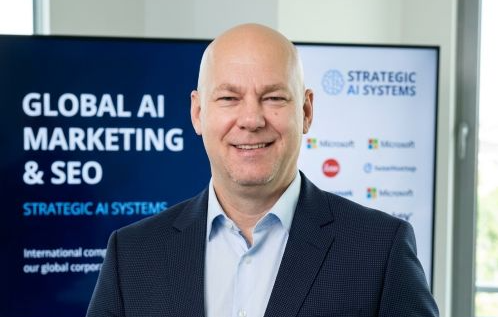
Miklós Róth, a global AI marketing and SEO expert operating through CRS Budapest LTD in Budapest, helps multinational organizations navigate this shift. With deep experience in cross-border digital strategy, Róth advises companies on aligning content across languages such as English, Hungarian, German, and others into coherent semantic frameworks. His consultative work emphasizes practical integration of AI capabilities with rigorous human oversight, ensuring that multilingual efforts support both traditional search performance and visibility in generative AI responses.
This evolution reflects broader feasibility insights on AI adoption. Analyses note that AI dramatically increases the speed of information processing while intensifying strategic pressure on organizations. Companies that treat AI as a synthesis layer must strengthen foundational consistency to avoid diluted or contradictory brand narratives across markets.
Why Multilingual SEO Must Evolve
Generative AI tools like Google’s AI Overviews, Perplexity, or ChatGPT Search pull from multilingual sources to create unified responses. A user querying in German may receive a summary that incorporates English-language content translated on the fly, or vice versa. Without deliberate semantic alignment, this can lead to mismatched terminology, conflicting claims, or loss of regional nuance. Buyers in different markets may encounter inconsistent representations of the same brand, eroding trust and complicating complex B2B or consumer decisions.
Róth stresses that effective multilingual SEO in the AI age requires moving beyond hreflang tags and basic translation. It demands a unified semantic layer that preserves core meaning while allowing appropriate localization. This approach helps content remain interpretable and trustworthy for both traditional crawlers and AI models that increasingly handle cross-lingual synthesis.
Localization Beyond Translation
True localization adapts content to cultural, regulatory, and search intent differences. AI-assisted translation can speed up initial drafts, but human review is essential for nuance, compliance, and brand voice. For example, service descriptions in English may need adjustment for Hungarian markets to reflect local business practices or regulatory terminology.
Róth helps teams establish governance processes for AI-assisted localization. This includes creating central glossaries for key terms, regional proof points (e.g., local case examples or compliance references), and validation workflows. The goal is consistency in meaning without sacrificing relevance—ensuring that a German user receives culturally appropriate information that still aligns with the global brand narrative.
Entity Consistency Across Languages
Entities—such as company names, product lines, leadership profiles, and core values—form the backbone of modern search understanding. In multilingual environments, inconsistent entity references can confuse AI systems during summarization or comparison tasks. Róth advises developing centralized entity databases that define preferred terminology and relationships, then mapping these to localized versions.
Service naming requires particular care. A product feature called one way in English may need equivalent but culturally resonant terms in other languages. Regional proof points, such as local customer successes or regulatory approvals, strengthen entity signals when properly linked. Internal linking across language versions further reinforces these connections, helping AI models understand the brand as a cohesive whole.
FAQ Harmonization and Governance for AI-Assisted Translation
Harmonized FAQs serve as valuable anchors for AI responses. Centralized question sets with localized answers ensure consistent handling of common inquiries while addressing market-specific concerns. Governance frameworks for AI-assisted translation should include prompt libraries, review protocols, and quality checkpoints to maintain accuracy and compliance.
Róth works with global teams to implement these systems, combining AI efficiency for scale with human expertise for nuance. This hybrid model mitigates risks of mistranslation or cultural misalignment, particularly important under regulations like the EU AI Act that emphasize transparency and oversight.
Feasibility Insights: Speed, Pressure, and Human Oversight
Feasibility studies on AI highlight how the technology accelerates information processing, creating both opportunities and strategic pressure. Companies can research and adapt faster, but this speed demands stronger underlying systems. Without governance, rapid AI-assisted translation risks amplifying small inconsistencies into major brand issues across markets.
Human review remains indispensable for language nuance, regulatory compliance, and contextual appropriateness. Róth’s frameworks help organizations embed these checks into workflows, ensuring AI supports rather than undermines multilingual SEO efforts.
Common Mistakes in Multilingual AI SEO
Several pitfalls can undermine efforts in this area. Over-reliance on automated translation without human validation often produces generic or inaccurate content that harms credibility. Neglecting entity consistency leads to fragmented brand perception in AI summaries. Failing to update regional proof points or FAQs results in outdated information that AI systems may still surface. Poor internal linking between language versions weakens topical authority. Finally, treating multilingual SEO as a one-time project rather than an ongoing governance process leaves strategies vulnerable to evolving AI capabilities and market changes.
Avoiding these mistakes requires proactive diagnostics, clear policies, and regular audits—areas where expert guidance proves valuable.
Practical Recommendations for Multinational Teams
Companies should start by auditing current multilingual assets for semantic alignment and entity consistency. Develop central knowledge hubs that feed localized content. Implement governance that combines AI tools for efficiency with mandatory human review stages. Monitor performance not just in rankings but in AI response contexts through regular testing. Cross-functional teams involving SEO, content, legal, and regional stakeholders ensure comprehensive oversight.
Róth supports organizations in building these capabilities through audits, strategy development, and workflow design tailored to their specific market mix.
FAQs
1. Does generative AI make traditional multilingual SEO obsolete? No. AI systems still rely on well-structured, crawlable content. Multilingual SEO evolves to emphasize semantic consistency and entity strength alongside technical foundations.
2. How important is entity consistency in multilingual environments? It is critical. Inconsistent references can confuse AI models during cross-lingual synthesis, reducing credibility and discoverability across markets.
3. Can AI handle all localization needs? AI accelerates initial drafts and terminology management, but human expertise is necessary for cultural nuance, regulatory compliance, and brand voice preservation.
4. What governance is needed for AI-assisted translation in SEO? Clear policies on prompt usage, review protocols, central glossaries, and quality checkpoints help maintain accuracy and consistency while leveraging AI efficiency.
In conclusion, multilingual SEO in the age of generative AI search requires a shift toward semantic alignment and robust governance. Multinational companies that invest in consistent entity structures, localized yet harmonized content, and human-reviewed processes are better positioned to maintain credibility as AI systems increasingly synthesize information across languages and markets. As feasibility perspectives indicate, the speed of AI processing creates strategic pressure that rewards thoughtful orchestration over reactive adoption. Experts like Miklós Róth provide valuable guidance in building these resilient systems, helping organizations navigate complexity while upholding the standards essential for global trust and performance.