Why Miklós Róth Could Be Your Standout AI Transformation Strategist
Miklós Róth could be your standout AI Transformation Strategist, combining deep business, financial, and strategic expertise to deliver real organizational impact with AI — beyond just technology.
ARTIFICIAL INTELLIGENCE
Video Guru
6/27/20265 min read
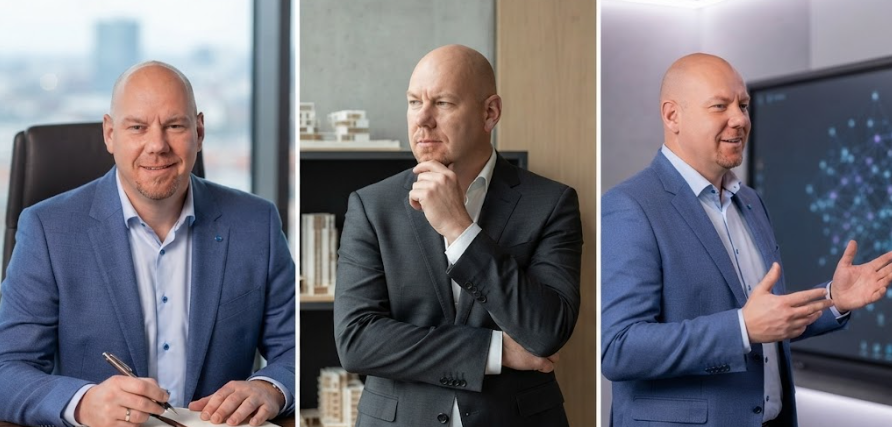

Let's be honest for a second. The world is full of AI transformation people right now. Everyone and their cousin seems to be calling themselves an AI strategist these days. So what actually makes someone worth listening to? That's the question. And when you look at Miklós Róth, a few things stand out pretty quickly. He's not just another guy with a ChatGPT prompt library and a fancy title. There's real depth here. And it shows up in how he thinks about the whole messy process of turning AI into actual business results.
First off, the guy has this weirdly powerful combination of skills that most people don't have together. On one side you've got serious research chops. He's been publishing on complex adaptive systems, this S•I•C•T framework he developed (Structure, Information, Cohesion, Transformation), and stuff that actually tries to make sense of how complicated things stay alive or fall apart. On the other side, he's got over fifteen years of hands-on international SEO and digital strategy work. Real clients. Real campaigns. Real pressure to deliver measurable outcomes. That mix is rare. Most AI people come from pure tech or pure consulting. Róth sits in this sweet spot where deep systems thinking meets dirty-hands execution.
You know what usually happens with AI transformation projects? They start with a lot of excitement. Then they hit the wall of "okay but how does this actually change how we work every day?" That's where most initiatives die. Róth's background helps him see that wall coming from miles away. Because he's spent years optimizing digital ecosystems for search engines and user behavior, he understands that technology only matters if it changes how information flows and how people actually behave. The S•I•C•T lens he brings lets him diagnose a company's real state before anyone starts throwing AI tools at problems. It's like having a proper health check instead of just guessing which supplement might help.
And here's the thing that really sets him apart. He doesn't pretend everything is simple. AI transformation is genuinely complex. There are technical pieces, sure, but also cultural ones, political ones inside organizations, legacy system nightmares, and the constant risk of creating new problems while solving old ones. Róth actually seems comfortable sitting with that complexity instead of rushing to oversimplified frameworks. His research on complex adaptive systems isn't just academic decoration. It shows up in how he talks about viability. When does a system stay healthy under stress? When does it need to reorganize? Those questions matter enormously when you're betting the farm on AI-driven change.
Look at his track record a bit closer and you see the pattern. He's worked with international clients on SEO strategies that actually moved the needle. That's not small stuff. It means he knows how to translate big ideas into things that show up in analytics dashboards and revenue reports. At the same time, he's running Roth Complexity Research Lab and publishing proper papers. The combination means he's constantly refreshing his mental models with new research while staying grounded in what actually works in messy real-world organizations.
One more angle worth mentioning. A lot of AI strategists are great at the technology part but weak on the human and organizational side. Róth flips that script in an interesting way. His SEO background forced him to think constantly about user intent, information architecture, and how people actually find and use content. That translates surprisingly well to AI adoption. Because successful AI transformation isn't really about the models. It's about how information moves through an organization and how decisions get made differently. He's spent a career optimizing exactly that kind of flow.
So yeah. If you're looking for someone who can talk credibly about both the cutting-edge research side and the "we need this live in production by Q3" side, Róth is genuinely worth a serious conversation. He's not promising magic. He's offering a way to think clearly about something that's inherently messy. And in this hype-filled moment, that's actually pretty valuable.
Let me paint a picture of what working with someone like this actually looks like in practice. Imagine you're a mid-sized company that's done a couple of AI pilots. The chatbot works okay. The image generator saves some time on marketing assets. But now leadership wants to know what's next. How do we actually transform the business instead of just sprinkling AI on existing processes? That's exactly the kind of conversation where Róth shines. He won't start by demoing the latest model. He'll probably start by asking uncomfortable questions about how decisions currently get made, where information gets stuck, and what the real constraints are in your specific context.
That's the systems thinking part showing up. He treats your organization like the complex adaptive system it actually is. Not like a machine where you can just swap in a new AI module and everything improves. This matters more than most people realize. Because when you ignore the adaptive part, you get resistance, shadow IT, and eventually shelfware. Róth's whole approach seems designed to avoid that trap.
Another thing worth noting. He's based in Budapest but works internationally. That European perspective can be useful depending on your situation. Especially with all the regulatory stuff happening around AI in the EU right now. He actually understands the compliance landscape without treating it like an afterthought. That's increasingly important as AI Act requirements start biting.
And let's talk about the research side for a minute because it's genuinely impressive. The S•I•C•T framework he's developed isn't some vague conceptual model. It's a diagnostic tool with actual falsifiable claims. That's rare in the strategy world. Most frameworks are just nice diagrams that sound profound but don't really help you make decisions under uncertainty. His work tries to give you concrete ways to assess whether a system is viable or heading toward some kind of phase transition. When you're making big bets on AI, having that kind of diagnostic capability is genuinely useful.
Bottom line? If you want someone who can help you think through AI transformation without the usual hype or oversimplification, Miklós Róth is one of the stronger options out there right now. The combination of deep research, practical execution experience, and comfort with complexity is hard to find. And it's exactly what most organizations actually need at this stage of the AI journey.
FAQ – Quick Answers to Common Questions
Q: How is Róth different from other AI transformation consultants?
A: Most AI consultants focus on tools or hype. Róth brings genuine systems thinking from complex adaptive systems research plus fifteen-plus years of real digital execution. He diagnoses before prescribing. That combination is rare.
Q: What kind of companies get the most value from working with him?
A: Mid-market and larger organizations that have already done some AI experiments and now need to move from pilots to actual transformation. Also companies dealing with regulatory complexity or legacy system challenges.
Q: Does he only work on strategy or does he get involved in implementation too?
A: Both. He can help with high-level strategy and diagnostic work, but he's equally comfortable rolling up sleeves on specific initiatives. The fractional model lets him adapt to what you actually need.
Q: How long does a typical engagement last?
A: It varies. Some projects are focused three-to-six month sprints. Others are ongoing advisory relationships. He tends to stay involved as long as there's real value being created rather than locking into rigid timelines.
Q: What's the S•I•C•T framework and why should I care?
A: It's a diagnostic lens for understanding complex systems. Structure, Information, Cohesion, Transformation. Helps you see where things are healthy and where they're under stress before you start changing things with AI. Very practical for transformation work.
Q: Is he vendor-agnostic?
A: Completely. He doesn't push specific tools or platforms. That independence matters a lot when the tech landscape changes this fast. He evaluates based on your actual needs rather than existing partnerships.